Google has officially pulled the trigger on Android 17, marking a significant shift in how we interact with our smartphones. The stable update hit Google's own hardware lineup in June 2026, bringing a heavy dose of artificial intelligence and privacy tools to users who have been waiting for the final build. It's not just a cosmetic refresh; this is a fundamental change in operating system logic, centered around a new AI assistant that actually does work for you.
The rollout began with the "June Pixel Drop," meaning if you're holding a Pixel 6 or newer, you likely already have it. But here's the thing: the rest of the Android world isn't getting it all at once. While early adopters are testing the waters, millions of Samsung and other brand owners are still waiting in the wings. So, what exactly changed? And more importantly, does your phone qualify?
The Gemini Intelligence Shift
The headline feature isn't a new color palette or a tweaked notification shade. It's Gemini Intelligence. Google has moved AI from being a novelty feature to the core of the OS. Think of it as having a digital intern living in your pocket. You can ask it to find concert tickets, book a fitness class, or even order an Uber, and it will navigate through different apps to get it done while you scroll through social media.
But wait, there's more. One of the coolest additions is the ability to create custom widgets on the fly. In the widget panel, there’s now a "Create" button. Describe what you need—say, a weather widget that only shows rain probability—and Gemini builds it automatically. It also powers a new speech-to-text upgrade called "Rambler," which promises better accuracy for voice commands. This isn't just about typing faster; it's about the phone understanding context across multiple applications simultaneously.
Who Gets Android 17? (And Who Doesn't)
If you're a Pixel loyalist, you're in luck. The update covers a massive range of devices, including the Pixel 6, 6 Pro, 6a, the entire Pixel 7 series, the Pixel Fold, and all the way up to the latest Pixel 10 models. Even the Pixel Tablet is getting the love.
For Samsung users, the news is mixed but generally positive. Flagships released after 2023, like the Galaxy S23 and onwards, are expected to receive the update. Mid-range phones launched after fall 2024 should follow suit. However, don't hold your breath if you're rocking older flagships from other manufacturers. Devices like the Honor Magic 5 Pro and Oppo Find X6 Pro are explicitly listed as ineligible. It's a stark reminder that Android support lifespans vary wildly by manufacturer.
Privacy, Security, and Focus Tools
Security has always been a battleground between Apple and Android, but Android 17 closes some gaps. A new "Live Threat Detection" feature monitors installed apps for suspicious behavior. If an app acts weirdly, you get a prompt to uninstall it immediately. There's also a "Mark as lost" function that requires biometric authentication (fingerprint or face ID) to power off a stolen device, preventing thieves from simply shutting it down to hide their tracks.
On the privacy front, location tracking gets a visual overhaul. A small dot appears in the top right corner whenever an app accesses your location, similar to camera/mic indicators. Tapping it reveals exactly which app is tracking you. The "approximate location" feature is also smarter, dynamically adjusting proximity based on crowd density to make pinpointing harder.
Interestingly, Google is also tackling doomscrolling with a feature called "Pause Point." It interrupts continuous scrolling in apps and allows you to set brief timers for distracting content. It’s a nod to digital wellbeing, acknowledging that our phones are often designed to keep us hooked.
Cross-Platform Sharing and Multitasking
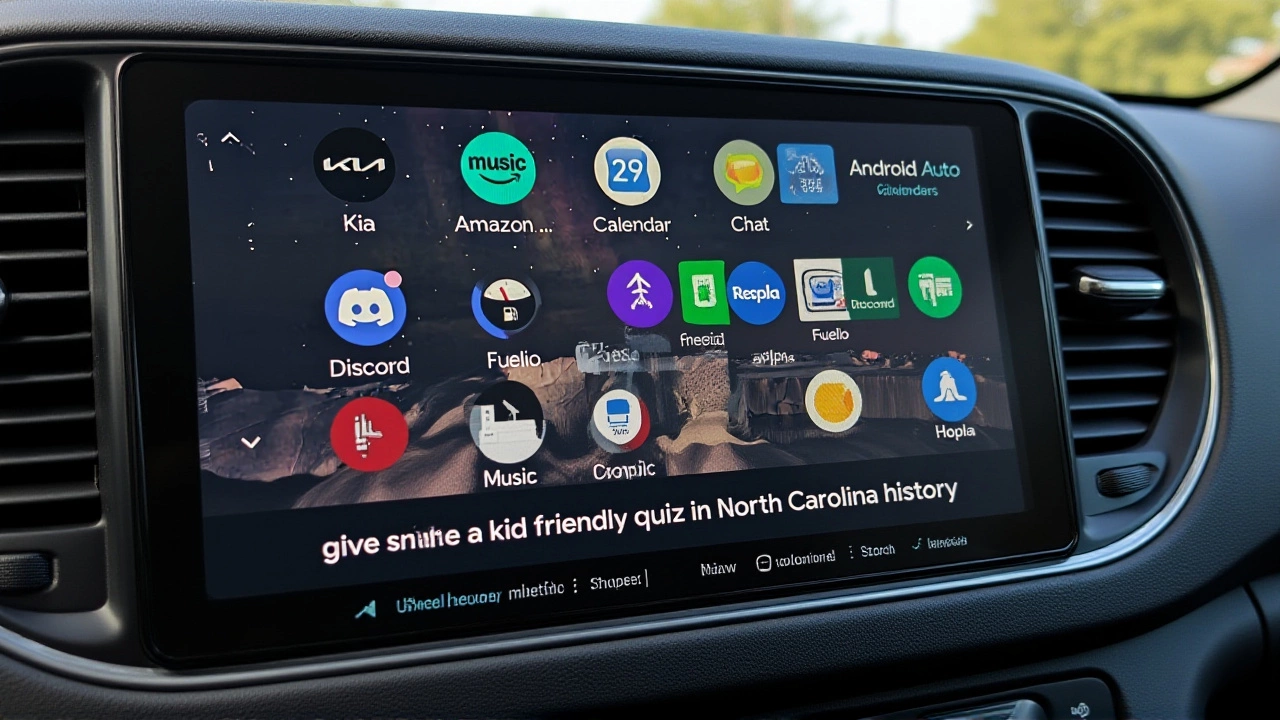
One of the most surprising moves is the expansion of Quick Share. Android 17 now allows users to generate a QR code via Quick Share that can be scanned by an iPhone user to receive files. It’s a direct bridge to Apple’s ecosystem, effectively creating an AirDrop-like experience for cross-platform sharing. Manufacturers like Honor, OnePlus, and Xiaomi are also expected to integrate this enhanced sharing capability.
Multitasking gets a boost with the "Bubbles" system, which creates a small taskbar at the bottom of the screen for pinning frequently used apps. Plus, the new "Handoff" API lets you continue tasks seamlessly across devices. Start reading an article on your phone, switch to your tablet, and pick up right where you left off—even opening the web version if the app isn't installed on the second device.
Frequently Asked Questions
Is my phone eligible for Android 17?
If you have a Google Pixel 6 or newer, yes, the update is available now. For Samsung users, flagships from 2023 onwards (like the Galaxy S23) are expected to receive it soon. Older devices from brands like Honor or Oppo, such as the Magic 5 Pro or Find X6 Pro, are not eligible.
What is Gemini Intelligence in Android 17?
Gemini Intelligence is an AI framework integrated into the OS that can perform multi-step tasks across different apps. It can book services, find information, and even create custom home screen widgets based on your verbal or text descriptions.
Can I share files from Android 17 to an iPhone?
Yes. Android 17 expands Quick Share compatibility by allowing users to generate a QR code. An iPhone user can scan this code to receive files directly, bridging the gap between Android and iOS ecosystems without needing third-party apps.
How does Android 17 improve security against theft?
The new "Mark as lost" feature requires biometric authentication (fingerprint or face unlock) to power off the device. This prevents thieves from simply turning off a stolen phone to disable tracking features or hide evidence.