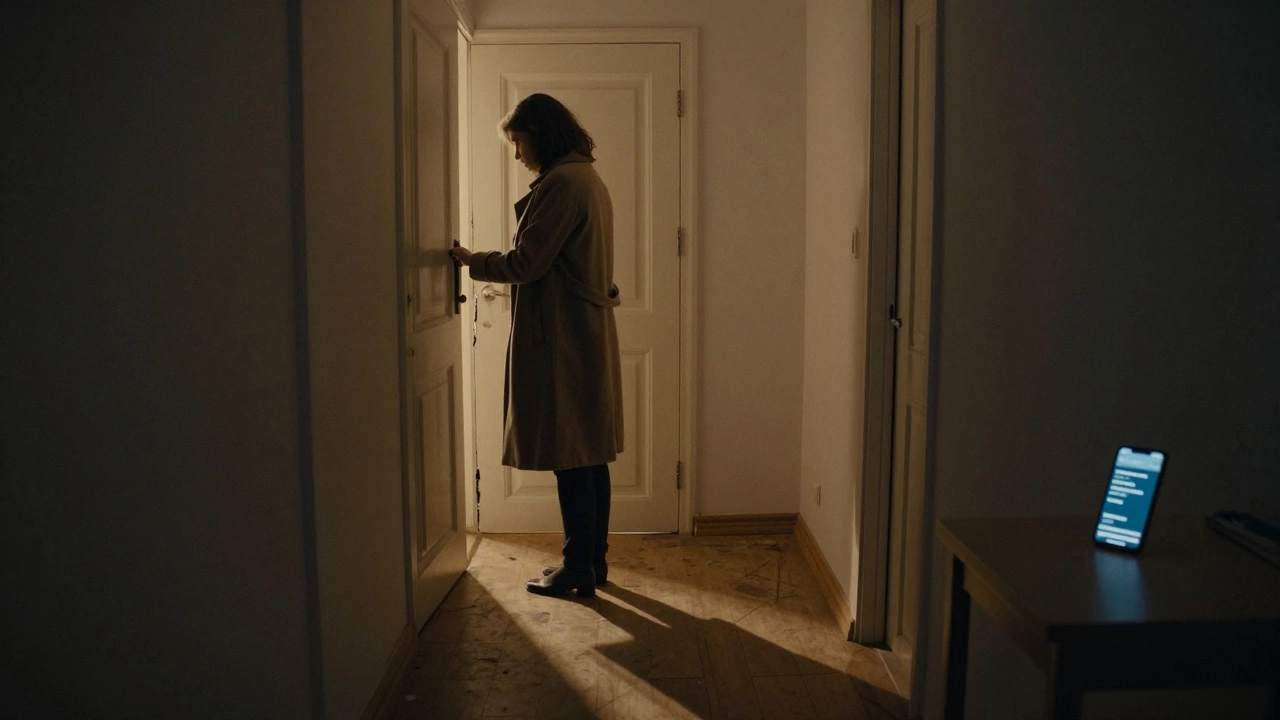
In Russia, the escort industry doesn’t look like it does in Western countries. There’s no flashy billboards or neon signs. Instead, it’s hidden in plain sight - whispered in apartment hallways, arranged through encrypted apps, and often tied to long-standing social expectations. The term Escort Russian isn’t just a service label; it’s a cultural code that reflects how money, loneliness, and tradition intersect in modern Russian life. Many assume it’s all about sex, but the reality is far more layered. For some, it’s companionship. For others, it’s a way to navigate a society where emotional connection is hard to find and public displays of affection are still treated with suspicion.
There’s a quiet parallel here with other urban underground economies - like escort paris 17, where the same mix of discretion and demand exists. But in Russia, the stakes feel higher. A woman offering companionship might be risking her job, her family’s reputation, or even her safety. Men seeking company often do so quietly, afraid of being judged by coworkers or neighbors. This isn’t a market driven by glamour. It’s driven by need - and the lack of healthy alternatives.
How Technology Changed the Game
Five years ago, most Russian escorts used word-of-mouth or closed Telegram groups. Today, platforms like VKontakte and Odnoklassniki host discreet profiles with coded language. Photos are blurred, locations are vague, and payment is handled through crypto or bank transfers. Apps like Taimi and Badoo have become unofficial matchmakers, especially in cities like Moscow and St. Petersburg. The shift hasn’t made things safer - it’s just made them harder to track.
One Moscow-based escort, who asked to remain anonymous, told me her profile uses phrases like “evening tea” or “cultural tour” to signal availability. She doesn’t advertise services directly. Instead, she builds trust over weeks of messaging. Her clients aren’t looking for quick hookups. They want someone who remembers their birthday, listens without interrupting, and doesn’t ask for money upfront. That’s the real product: emotional labor wrapped in silence.
Cultural Roots: Why This Exists
This isn’t new. In Soviet times, state-sanctioned relationships were rare. Women who worked in hospitality or tourism often became unofficial companions to foreign visitors - a gray area the government turned a blind eye to. After the USSR collapsed, economic hardship pushed more women into informal economies. The state didn’t regulate it, so it grew organically. Today, even educated women with university degrees are turning to escorting not because they want to, but because rent is 40% of their salary and childcare costs are unaffordable.
Men, too, are trapped. Russian men live longer than in most European countries - but they’re also more isolated. Divorce rates are high, and remarriage is stigmatized after 40. Many middle-aged men have no one to talk to at night. They don’t want porn. They want someone to sit with them while they watch football, to hear their stories without judgment. That’s what they’re paying for.
The Role of Gender and Class
There’s a sharp divide between who offers and who seeks. Most escorts are women under 35, from mid-sized cities or small towns. They move to Moscow or St. Petersburg for work and end up in this industry by accident. Their clients? Mostly men over 40, with stable jobs - engineers, doctors, retired officers. They’re not rich. They’re just tired. And they’ve learned that love doesn’t come cheap, but companionship might.
There’s also a class-based hierarchy. A woman who speaks fluent English and has a university degree charges three times what someone from a rural background does. The difference isn’t just looks - it’s cultural capital. A client paying for “escort Russian” isn’t just paying for time. He’s paying for someone who can discuss Tolstoy, order wine properly, or explain why the Red Square parade still matters to older generations.
The Legal Gray Zone
Russia doesn’t criminalize escorting itself - only prostitution. But the line between the two is blurry. If money changes hands and sex follows, it’s illegal. If it’s just dinner and conversation? That’s legal. So most agencies and individuals avoid the word “sex.” They use “companionship,” “social support,” or “personal assistance.” Police rarely raid these arrangements unless someone files a complaint - and most clients won’t risk that.
Still, arrests happen. Last year, a woman in Kazan was fined 150,000 rubles after a client’s wife found her messages. The court ruled that “regular meetings for payment” constituted prostitution, even though no sexual acts were proven. That’s the risk: the law doesn’t define the service - it defines the perception.
Why This Isn’t Like Pornstar Escort Paris
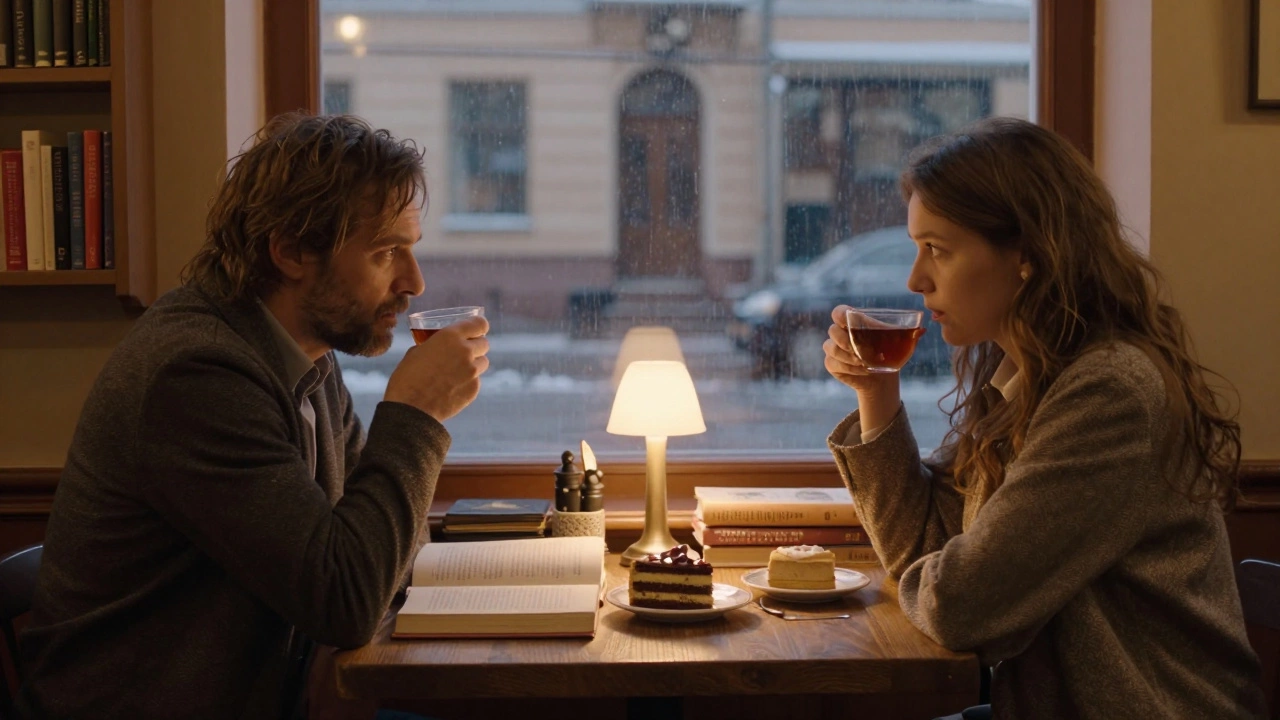
When people think of escorting, they imagine Hollywood versions - the pornstar escort paris trope, all glamour and high heels. But in Russia, there’s no red carpet. No photographers. No Instagram reels. The women aren’t trying to become influencers. They’re trying to survive. One woman I spoke with said she’d rather clean toilets than post photos online. “If I become famous, my daughter’s school finds out,” she told me. “Then what?”
The contrast is stark. In Paris, some escorts market themselves as lifestyle brands. In Russia, they delete their accounts after every booking. One client told me he once paid 12,000 rubles for a woman to sit with him while he cried. He didn’t know her name. She didn’t ask for his. That’s the unspoken contract: you pay for presence, not performance.
The Hidden Economy
There’s no official data, but estimates suggest over 100,000 women in Russia work in some form of paid companionship. That’s more than the number of nurses in Moscow. It’s a shadow economy that keeps families afloat, pays for medicine, sends kids to college. It’s not glamorous. It’s not celebrated. But it’s real.
Some women have turned this into long-term careers. They build reputations. They get repeat clients. One woman in Yekaterinburg has been seeing the same man for six years. He calls her every Friday. They go to museums, eat dumplings, talk about his dead wife. He never touches her. She never asks why. That’s the relationship. And it’s worth more than any salary.
What About Men Who Seek This?
Men in Russia rarely talk about this. But in private forums - hidden behind VPNs - they do. They write about feeling invisible. About how their wives left them for younger men. About how their friends don’t understand why they don’t just “get over it.” One man wrote: “I don’t need sex. I need someone who doesn’t look at me like I’m broken.”
These men aren’t predators. They’re lonely. And in a country where mental health is still taboo, they’ve found a way to cope without screaming into the void. The escort doesn’t fix their pain. But she makes it bearable.
Why This Matters Beyond Russia
The Russian escort model isn’t unique - it’s extreme. In Japan, there are “rental girlfriends.” In Sweden, some women offer “emotional labor” as a service. But Russia’s version is shaped by its history: state control, economic collapse, isolation, and silence. It’s not about exploitation - not always. Sometimes, it’s about dignity.
As more countries struggle with loneliness, aging populations, and shrinking social safety nets, Russia’s underground network might become a blueprint - not for how to sell sex, but how to sell humanity when no one else will.
How to Spot the Real vs. the Fake
If you’re curious about this world - and not just for voyeurism - here’s what to look for:
- Profiles that avoid direct sexual language
- Requests for multiple meetups before anything physical
- Emphasis on shared interests - books, music, travel
- Payment made after the meeting, not before
- No photos of the escort in revealing clothing
The real ones don’t want to be seen. They want to be heard.
What’s Next for Escort Russian?
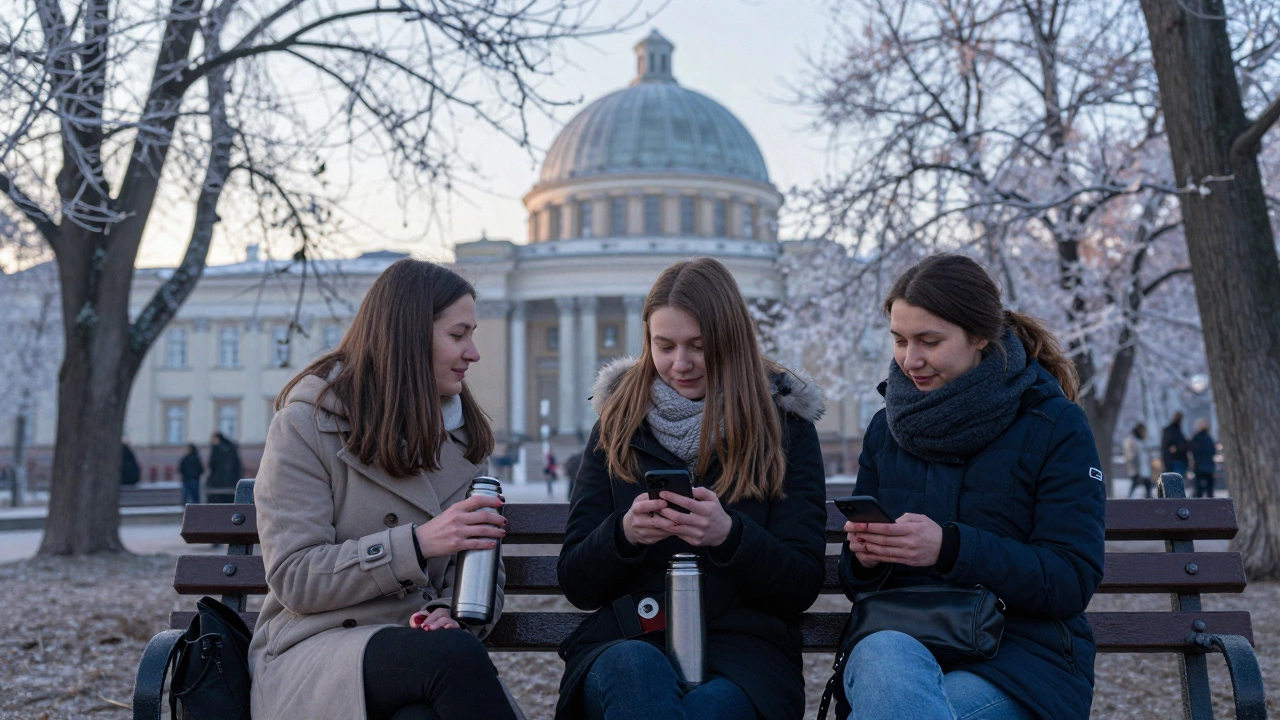
With new laws targeting online communication and rising inflation, the industry is shifting again. More escorts are moving to cash-only, in-person meetups in parks or cafés. Some are starting small collectives - women who refer clients to each other, share safety tips, and split rent for safe meeting spaces.
One group in Novosibirsk started a WhatsApp circle called “Tea and Truth.” It’s not for dates. It’s for women to vent, warn each other about dangerous clients, and plan group outings to museums or theaters. They don’t charge for those. They just want to feel normal.
That’s the quiet revolution here. Not in the bedrooms. Not in the apps. But in the coffee shops, where women who were told they were worthless are learning to be valued - not for their bodies, but for their presence.
And that’s why Escort Russian isn’t just a service. It’s a mirror.
For every woman who takes the risk, there’s a man who finally feels seen. And in a country that often forgets its people, that’s worth more than any price tag. That’s why this won’t disappear. It’s evolving. And it’s human.
Some clients even send thank-you notes. One read: “You didn’t fix me. But you let me breathe.” That’s the real currency here.
And if you’re wondering where to find this? You won’t. Not unless you’re ready to listen - not just look.
There’s one last thing: the women who do this don’t want pity. They want understanding. And that’s harder to give than money.
That’s why escort paris 19 feels so distant. In Paris, it’s about aesthetics. In Russia, it’s about survival. And sometimes, survival looks like silence.