
Being called a slut doesn’t make you less human. It just means someone’s scared of your freedom. For women, nonbinary folks, and anyone who owns their sexuality publicly-especially those doing sex work-there’s a quiet war happening. Not against laws or clients, but against loneliness, shame, and the myth that you have to suffer in silence. The truth? You don’t. And you’re not alone. There’s a growing network of people who get it, who’ve been there, and who are building real support systems-not pity parties, not activism theater, but actual safety nets made of trust, boundaries, and mutual aid.
Some of these networks started online. A woman in Lyon, France, posted a simple message: ‘If you’re working and feel unsafe, DM me.’ Within weeks, she had 200 replies. That’s how groups like escort girl france began-not as ads, not as directories, but as lifelines. These aren’t just about finding clients. They’re about sharing tips on safe locations, reporting violent johns, splitting rent for secure apartments, and knowing who to call when the police show up unannounced. One member told me she saved her life by texting a group chat before walking into a hotel room alone. Someone responded within minutes: ‘I’m calling your friend to check in on you. Don’t go in until I say it’s clear.’ That’s the kind of support that doesn’t show up in brochures.
Why the stigma hurts more than the work
The real danger isn’t the job. It’s the isolation. When society tells you your body is dirty, your choices are wrong, and your voice doesn’t matter, you start believing it. You stop calling your mom. You stop going to the doctor. You stop trusting anyone who isn’t paying you. That’s when things get dangerous. Sex workers are statistically more likely to face violence, harassment, and eviction. But studies from the Global Network of Sex Work Projects show that those with peer support networks are 60% less likely to experience severe harm. Why? Because they have people who know their routines, their triggers, and their safe words.
It’s not about changing minds. It’s about changing systems. You don’t need the world to approve of your work. You just need someone to know where you are, when you’re coming home, and what to do if you don’t.
How to build your own support circle
You don’t need a big group. You need three people who won’t flinch when you say, ‘I’m working tonight.’ Start small.
- Find one person who’s been in the game longer than you. Ask them: ‘What’s one thing you wish you’d known?’ Listen. Write it down.
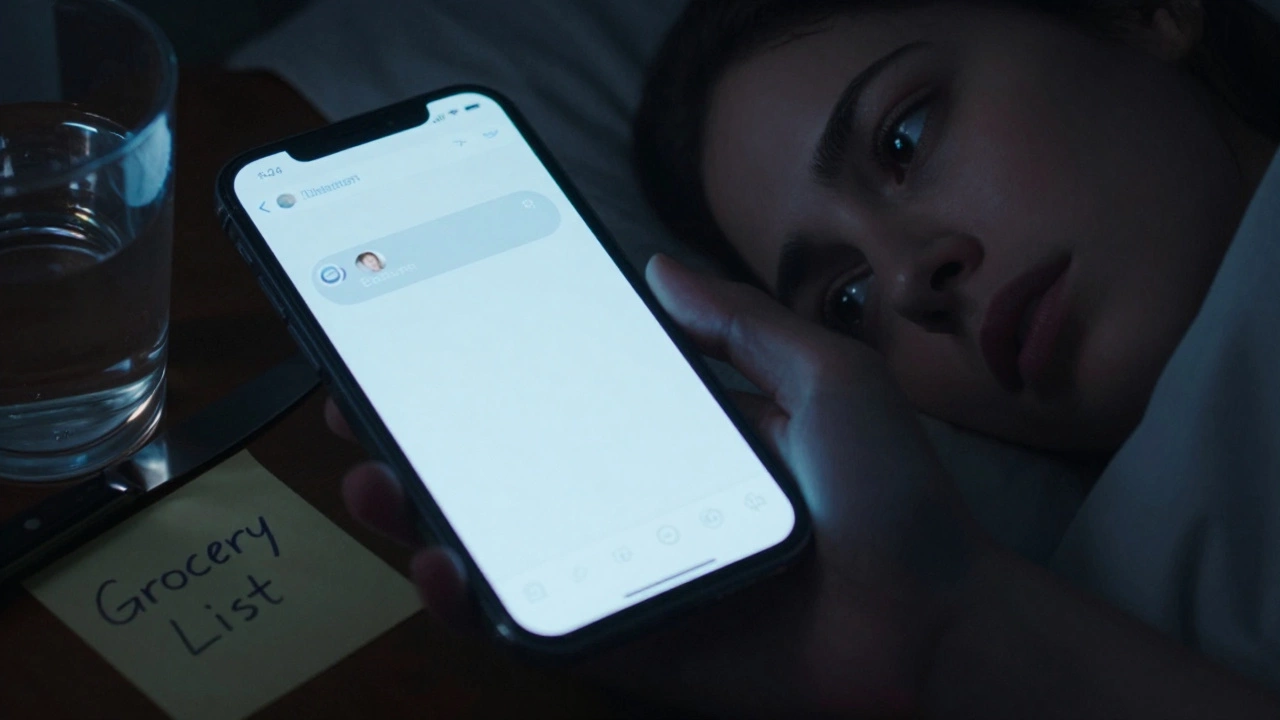
- Set up a private group chat-Signal or Telegram, no Facebook. Name it something boring like ‘Grocery List’ so it doesn’t get flagged.
- Assign roles. One person checks in every night. One keeps a list of safe drivers. One knows where to find legal help if you’re arrested.
- Have a code word. If you text ‘The pizza’s late,’ it means you’re in trouble and need help immediately.
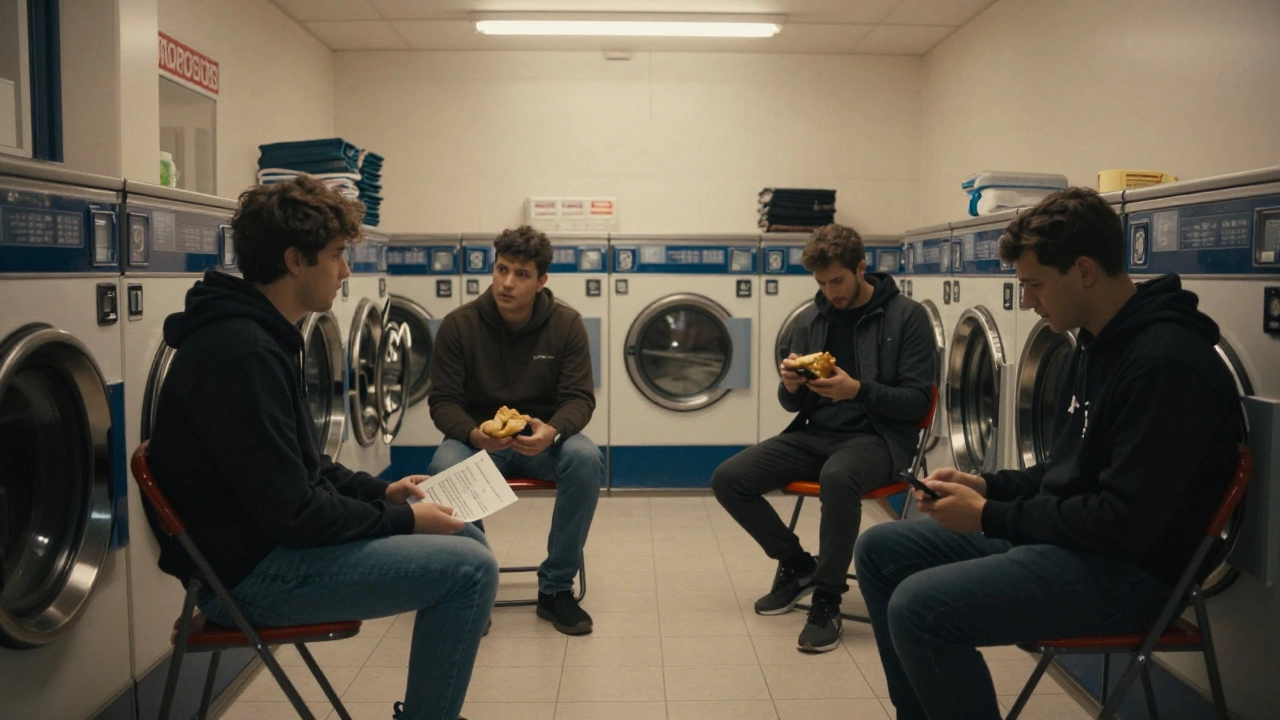
Some groups meet in person too-coffee shops, libraries, even laundromats. No names, no photos. Just voices. One group in Marseille meets every Thursday at 5 p.m. at a bakery. They bring pastries. They talk about rent, trauma, and how to say no without feeling guilty. No one asks for details. No one judges. That’s the magic.
What support doesn’t look like
It’s not a nonprofit handing out pamphlets. It’s not a politician giving a speech about ‘empowerment’ while cutting funding to shelters. It’s not a podcast host asking you to ‘share your story’ for clicks. Real support doesn’t ask you to perform your pain. It doesn’t demand gratitude. It doesn’t require you to be ‘respectable’ to deserve safety.
Support means showing up with cash when you need to pay your rent. It means driving you to the hospital after an assault. It means covering your shift when you’re too sick to work. It means saying, ‘I believe you,’ even when the cops say you’re lying.
And yes-it means knowing when to walk away. If someone in your circle starts pressuring you to take risks, or makes you feel guilty for saying no, they’re not helping. They’re exploiting. Cut them out. Your safety isn’t negotiable.
When the system fails you
Police? Don’t count on them. In most places, sex workers are treated as criminals, not victims. Hospitals? They’ll judge you. Social services? They’ll try to ‘rescue’ you by taking away your income, your housing, your autonomy. The system isn’t built for you. That’s why you build your own.
There are tools out there. Apps like RedZone let you flag dangerous addresses anonymously. Organizations like SWOP (Sex Workers Outreach Project) offer legal aid and mental health referrals. But none of it works unless you’re connected to people who know your name, your face, your voice.
One woman in Lyon told me she used to sleep with a knife under her pillow. Then she joined a local group. Now she has three people who call her every night. She doesn’t need the knife anymore. She needs to know someone’s listening.
It’s not about being a hero
You don’t have to be brave. You don’t have to speak at rallies. You don’t have to convince anyone you’re worthy. You just have to survive. And you can’t do that alone.
That’s why we say: Sluts, unite. Not as a slogan. Not as a hashtag. As a promise. I see you. I’m here. You’re not broken. You’re not dirty. You’re not alone.
And if you’re reading this and you’re working right now-whether you’re an escorte a paris, a street-based worker, a cam model, or a private provider-take a breath. You’ve made it this far. That’s strength. Now reach out. Find your people. Text someone. Call someone. Send a message into the dark. Someone will answer.
Because the most radical thing you can do isn’t to fight the system. It’s to refuse to be lonely in it.
There’s a reason why so many sex workers end up in the same cities. Not because it’s easy. But because they know where the others are. In Berlin, in Barcelona, in Bangkok-there are quiet networks, hidden in plain sight. In Paris, one woman runs a WhatsApp group for escorte sex workers. No ads. No photos. Just safety. She doesn’t charge. She doesn’t ask for anything. She just answers when someone types, ‘I need help.’
You deserve that. You’ve earned it.